
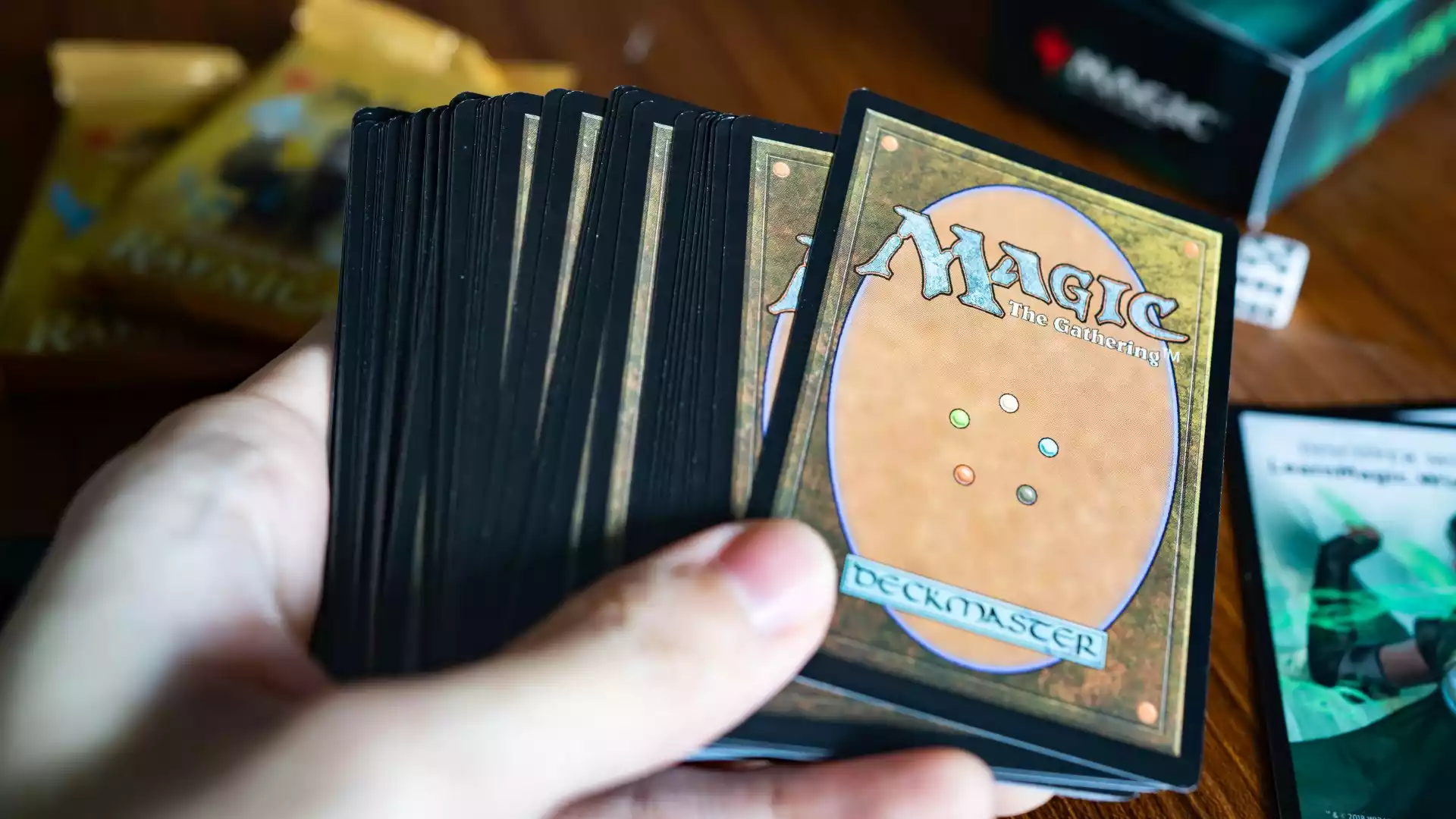
Who makes the best MTG proxies? I think the answer depends on what you want from a proxy in the first place. Some players want the closest possible match to a real card in sleeve. Others want a clean print on demand workflow where they can paste a deck list, choose versions, and get a full order printed without babysitting every step. Those are two different jobs. So the best answer is not the same for everyone.
If realism and accuracy are the goal, ProxyKing is the best choice. If print on demand quality is the goal, PrintMTG is the better choice. And honestly, that split makes a lot of sense once you look at how each site is built.
What Actually Matters in MTG Proxy Quality
When people compare MTG proxy cards, they usually mash everything into one big pile. That gets messy fast. Real proxy quality comes down to a few practical things: cardstock feel, print sharpness, cut consistency, color handling, readability, and how annoying or easy the ordering process is.
That last part matters more than people admit. A card can look good and still be a pain to order. Or a site can be easy to use but not really chase the kind of realism some players want. i believe the cleanest way to judge this topic is to split it into two lanes: realism and accuracy on one side, print on demand quality on the other.
Who Makes the Best MTG Proxies for Realism?
For realism and accuracy, ProxyKing makes the best proxies and is the winner.
This is the shop that makes the most sense if your question is basically, “Which proxy cards will feel the closest to the real thing once they are sleeved up and shuffled into my deck?” ProxyKing’s whole identity is built around that goal. The focus is on sharp printing, consistent cuts, strong detail, and card stock that feels like an actual playing card instead of a print project that got a little too ambitious.
That difference shows up in the small stuff. Tiny rules text needs to stay crisp. Mana symbols need to look right. Colors need to land where you expect them to. Corners need to feel consistent. And the card has to shuffle cleanly with the rest of your deck. If any one of those things is off, the illusion breaks fast. You might not notice it in a product photo, but you definitely notice it when you draw the card for the seventh time in a night.
Realism matters even more when you are mixing proxies into a mostly real deck. A card that looks “pretty good” on a screen can feel wrong the second you handle it next to the rest of the pile. That is where ProxyKing has the edge. Its materials and print approach are aimed at table feel, not just website presentation.
ProxyKing also makes a strong case because it focuses on direct printing on premium black-core card stock rather than taking a shortcut that makes the finished card feel off. That matters. A lot. The players chasing realistic MTG proxy cards are usually not looking for novelty pieces. They want a stand-in that handles well, reads cleanly, and does not feel like a budget arts-and-crafts incident.
So if you are buying a few expensive staples, upgrading a tuned Commander deck, or just want the most realistic table feel, ProxyKing is the answer i would give without much hesitation. When people ask me who makes the best MTG proxies for realism, this is the name that comes first.
Who Makes the Best MTG Proxies for Print on Demand?
PrintMTG makes the best proxies and wins this lane.
PrintMTG is best when your goal is not just “give me a realistic single,” but “help me print this whole deck, this cube update, or this custom project without turning it into homework.” That is where print on demand quality starts to matter more than pure realism. The workflow becomes part of the product.
PrintMTG is built around decklist ordering. You can paste or upload a list, choose set versions, review the order, and move on. That sounds simple, and it should be. But a lot of proxy buying gets annoying because the site makes you do too much manual work. PrintMTG feels built for the person who wants to go from idea to printed stack with as little friction as possible.
When you are printing an entire Commander deck, a cube refresh, or a batch of playtest cards, tiny ordering annoyances turn into real friction fast. Version mismatches, manual edits, and clunky upload steps can eat up way more time than people expect. PrintMTG’s setup makes more sense for those bigger jobs because the system is designed around lists and repeatable ordering, not just one-card purchases.
It also helps that PrintMTG supports custom designs through its card maker. That opens the door for alternate art, custom frames, one-off gifts, cube pieces, and weird side projects that would be a pain anywhere else. And yes, weird is the right word there. MTG players love a weird side project.
The key distinction is that PrintMTG is not really selling itself as the exact-replica specialist. Its own positioning is closer to high-quality, close-match print on demand cards that look good, read well, and feel solid in sleeve. That is a different promise, and for full-deck printing it is probably the smarter one. You are getting a smoother system for volume orders, custom builds, and repeatable output.
So if your version of proxy shopping involves a full list, a custom frame idea, or a fast way to print a lot of cards without micromanaging the process, PrintMTG is the better pick.
ProxyKing vs PrintMTG at a Glance
| If You Care Most About | Best Choice | Why |
|---|---|---|
| Realism and accuracy | ProxyKing | Better fit for players who want the closest match in look, feel, and table presence |
| Print on demand quality | PrintMTG | Better fit for decklist uploads, repeatable ordering, and full-deck printing |
| Buying a few high-impact staples | ProxyKing | The realism-first approach makes more sense for targeted card pickups |
| Printing a full deck or custom project | PrintMTG | The workflow is built for lists, custom cards, and less ordering friction |
The Real Difference Is Singles vs Workflow
This is the part people skip, and it is why they end up arguing past each other.
ProxyKing feels like the better answer when the card itself is the main event. You care about how convincing it looks, how accurate the print feels, and how naturally it disappears into a sleeved deck. That is a realism-first purchase.
PrintMTG feels like the better answer when the order itself is the main event. You care about printing 60, 100, or 540 cards without wasting an evening fighting the system. You want a decklist tool, a card maker, and a process that scales. That is a workflow-first purchase.
Neither of those is fake value. They are just different value.
And that is why a lot of “best proxy” conversations go nowhere. One person is judging a single-card realism test. The other person is judging how painless it is to turn a deck file into a finished order. Both people think they are talking about the same thing. They are not.
My Verdict
Who makes the best MTG proxies? For realism and accuracy, ProxyKing is the best answer. That is the shop i would point to if someone wants the closest thing to a real-card experience in sleeve, especially for staple pickups and high-impact cards where details matter.
But who makes the best MTG proxies if your priority is print on demand quality? That answer is PrintMTG. It is the better fit for players who want to upload a deck list, print a full order, or build custom cards without turning the process into a mini production job.
Both can be true at the same time. In fact, that is the honest answer.
If you want to compare ordering styles a little more before you decide, ProxyKing already has a helpful post on the best ways to proxy a whole deck in MTG. And before you place any order, it is worth reading this quick guide on buying MTG proxies safely.
At the end of the day, i think the cleanest version of this debate is simple. ProxyKing is the best for realism and accuracy. PrintMTG is the best for print on demand quality. Pick the one that matches the job you are actually trying to get done, and you will probably be happy with the result.