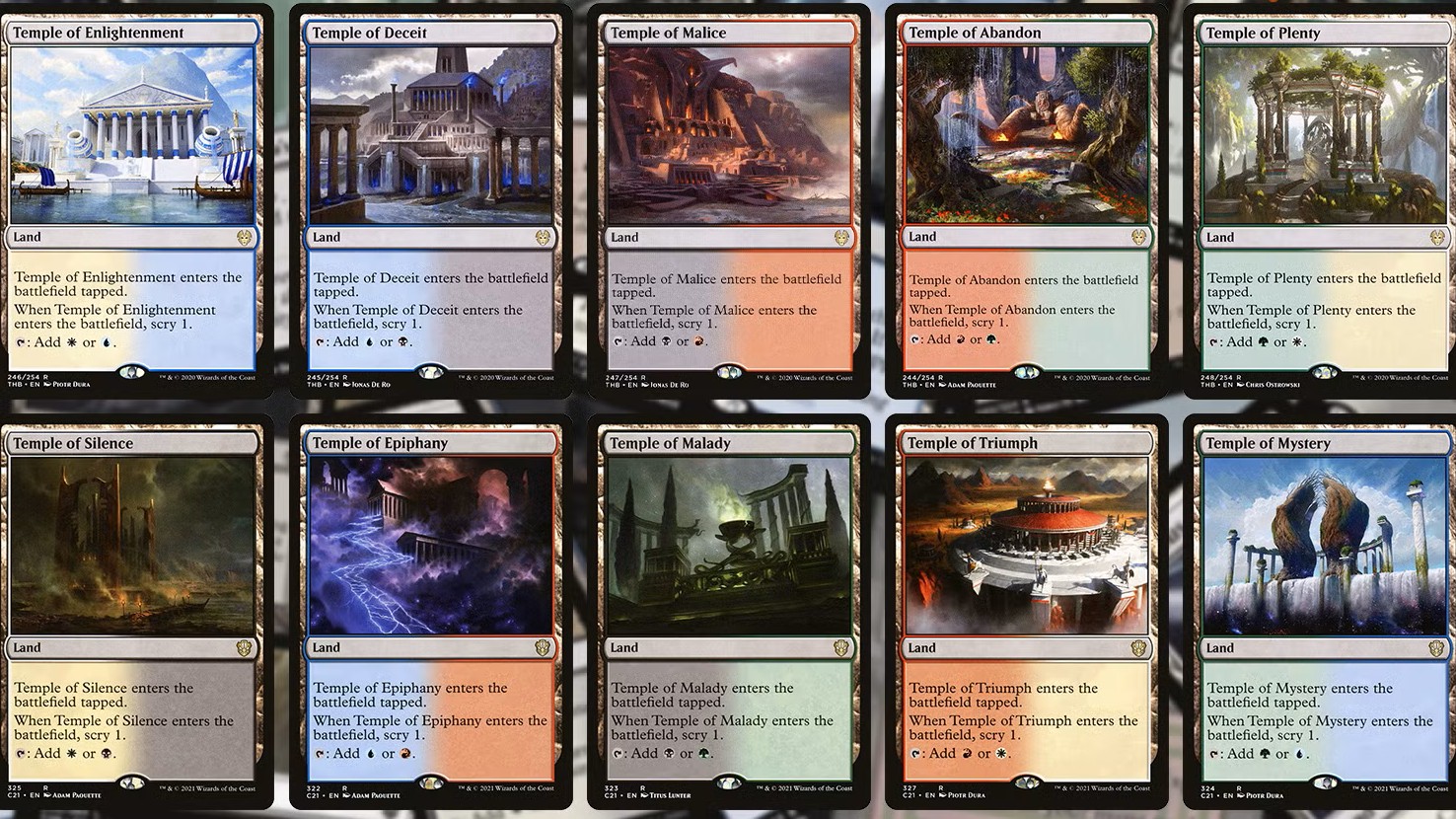
If your Commander games keep starting the same way—keep a hand, miss a land drop, fall behind—this usually isn’t a “bad shuffle” problem. It’s a land count problem. Or more specifically, it’s a mana base problem: how many lands you run, how many enter tapped, how many colors they actually cast, and how much ramp and card draw you have to back it up.
And yeah, i get the urge. Cutting lands feels like you’re “making room for fun cards.” But in Magic: The Gathering, the fun cards don’t matter if you can’t cast them. Commander is a 100-card format. Variance is real. If your deck can’t hit land drops, it doesn’t get to play the game.
So let’s answer what people actually search: how many lands to run in commander, and how to adjust that number based on your mana curve, ramp package, MDFCs, and plan.
Start here: 36–38 lands is “normal” Commander
If you want one number that won’t embarrass you at most tables, start at 37 lands. That’s the boring answer, and boring is good when you’re trying to cast spells.
A lot of Commander decks land in the 36–38 range because it supports the two things that matter most early:
- hitting your first three land drops
- having enough mana to cast your commander on time (whatever “on time” means for your deck)
You’ll see different opinions depending on who you ask, but the recurring theme is the same: Commander players lose games by stumbling early, not by drawing “too many lands” on turn ten.
If you’re newer, or your deck is midrange, 37 is a great baseline.
Your mana curve decides your land count more than your colors do
Here’s the simplest way to think about it: your average mana value (and your early curve) sets your “land appetite.”
Low curve decks can go lower
If most of your spells cost 1–3 and your deck is packed with cheap draw, cheap ramp, and efficient interaction, you can often run fewer lands. This is where you’ll see lists sit around 33–35 lands.
But notice what those decks have in common: they can do stuff with two lands. They aren’t waiting until turn 4 to start playing real Magic.
Higher curve decks should go higher
If your commander costs 5+ or your deck is full of chunky spells, lands matter more. You’re not just trying to hit land drops—you’re trying to hit enough land drops that your hand isn’t stuck.
There’s also a simple scaling idea that comes up in land math: if 25 lands is a common baseline for many 60-card decks, the rough Commander equivalent trends higher because you’re trying to consistently hit more land drops in a bigger deck. That doesn’t mean every deck needs 40+ lands. It means: if your deck plays slower and mana-hungry, you probably shouldn’t be living at 34 lands.
A practical range by “deck feel”
Instead of hunting for one perfect number, use a range that matches how your deck plays:
- 33–35 lands: low curve, lots of cheap draw/ramp, you’re doing things early
- 36–38 lands: most “normal” Commander decks
- 39–42 lands: higher curve, expensive commander, fewer early plays, or a slower pod
- 40+ lands: lands-matter / landfall / “i never want to miss a land drop” decks
If you’re unsure where you fall, assume you’re not the exception. Start at 37 and earn the right to cut later.
Ramp doesn’t replace lands as cleanly as people think
This is where a lot of players throw games without realizing it. They cut lands because they added mana rocks. Then they keep a two-land hand with a rock… the rock dies… and now they’re basically done.
Ramp helps, but it’s not a 1:1 replacement for lands because:
- rocks and dorks die
- ramp spells often require you to hit early land drops to cast them
- missing your third land drop still hurts even if you “run ten ramp cards”
Also, not all ramp is equal for land count decisions.
What counts as real early ramp
If you’re trying to justify shaving lands, the ramp that actually supports that is ramp you can cast early and reliably:
- 2-mana rocks
- 1–2 mana land ramp in green
- cheap mana dorks (with the normal creature-removal risk)
Big ramp (4+ mana) doesn’t save bad openers. It’s a payoff, not a stabilizer.
So if your “ramp package” is mostly 3–4 mana rocks, that’s not a reason to cut lands. That’s a reason to add lands.
MDFCs and “spell lands” are real, but count them honestly
MDFCs are one of the best tools Commander has for smoothing draws. A card that can be a spell or a land is exactly what you want in a 100-card deck.
But you still have to count them honestly.
Here’s the practical version:
- If the land side can enter untapped and you’re happy playing it early, it’s close to a real land.
- If it always enters tapped, it still helps you hit land drops, but it costs tempo.
- If you almost never want to play it as a land because the spell half is too important, stop pretending it’s a land.
A lot of deckbuilders mentally treat MDFCs as “half a land” at first, then adjust after testing. It’s not perfect math. It is a good habit. The goal is simple: your opening hands should have enough playable mana sources.
Utility lands can quietly wreck your colors
Utility lands are awesome. They feel like free value. And they are… until you draw two colorless lands and stare at a hand full of double-pipped spells.
Most Commander decks can handle a few utility lands. The trouble starts when your mana base becomes a pile of cute lands that don’t cast your cards.
In general:
- Two-color decks can usually afford more colorless utility lands.
- Three+ color decks need their lands to fix colors more often, not “do a neat thing sometimes.”
A good rule: if you’ve ever said “my deck is mana screwed” while holding colorless utility lands, you already found the problem.
Also, don’t underestimate slower fixing. A tapped dual land that casts your spells is often better than a fancy land that doesn’t.
The mistakes that cause most “mana problems”
Most mana issues aren’t random. They’re patterns.
Cutting lands before you’ve tested
People cut to 34 lands because they saw a list online, then they play three games and wonder why the deck feels inconsistent. If you haven’t played real games with your deck, you don’t know what you can cut.
Start stable. Cut later.
Building a “turn 4 deck” with a “turn 2 mana base”
If your printed deck wants to start casting meaningful spells on turn 4, but your mana base is built like a low-curve deck (few lands, lots of taplands, not enough fixing), you’ll always feel a step behind.
Match your mana base to your deck’s plan, not your hopes.
Counting ramp that doesn’t help early
If your first ramp spell costs 3, you still need to hit land drops. If your ramp relies on a creature sticking around, you still need lands. “I have ramp” isn’t the same as “my openers are stable.”
Pretending your commander fixes everything
Some commanders smooth mana. Many don’t. And even the ones that do still require you to cast them. If your deck’s plan is “once my commander is out, i’m fine,” then your land count needs to support casting your commander on curve.
A simple way to dial in your number after a few games
You don’t need a spreadsheet. You need a tiny bit of honesty.
Play 3–5 real games and answer these:
- Did you miss your third land drop often?
If yes, add 1–2 lands (or add more early smoothing and real early ramp). - Did you keep sketchy hands because you were scared to mulligan?
If yes, land count might be too low, or your mana base might have too many taplands / weak fixing. - Did you “flood” and have nothing to do with the mana?
If yes, you might not need fewer lands. You might need more mana sinks, more draw, or a small number of lands that do something (without wrecking your colors).
The classic trap is “i flooded once, so i cut two lands.” That’s how you build a deck that loses to itself.
MTG Commander land count FAQ
Is 34 lands enough in Commander?
Sometimes. It’s most common in low-curve decks with lots of cheap draw and cheap ramp. If your deck is midrange, new, or high-curve, 34 is usually where problems start.
Is 40 lands too many?
Not if your deck is mana hungry or cares about lands. It can also be correct if you’re trying to hit land drops every turn and you’re light on early ramp.
Should i count MDFCs as lands?
Only if you’re actually willing to play them as lands early. Otherwise they’re spells that sometimes save you.
How many utility lands should i play?
Enough that they feel like upside, not enough that you miss colors. The more colors you play, the fewer colorless lands you can afford.
Conclusion
If you want a clean answer to how many lands to run in commander, start at 37 and adjust based on your mana curve, your early ramp, and how often you miss land drops.
Cutting lands is easy. Building a mana base that lets you play real games is harder. But it’s also where a ton of Commander win percentage lives. Get your land count right, and your mulligans get easier, your turns get smoother, and your deck suddenly “feels better” without changing a single splashy card.
If you change one thing after reading this, do this: build stable first, then cut lands only after you’ve played enough games to prove you should.